WICET Dump Station Automation
Raising the Bar with Lidar-Driven Train Unloading Systems
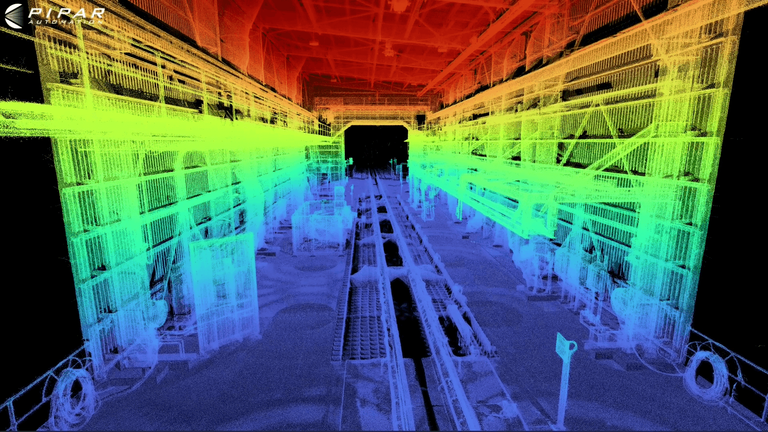
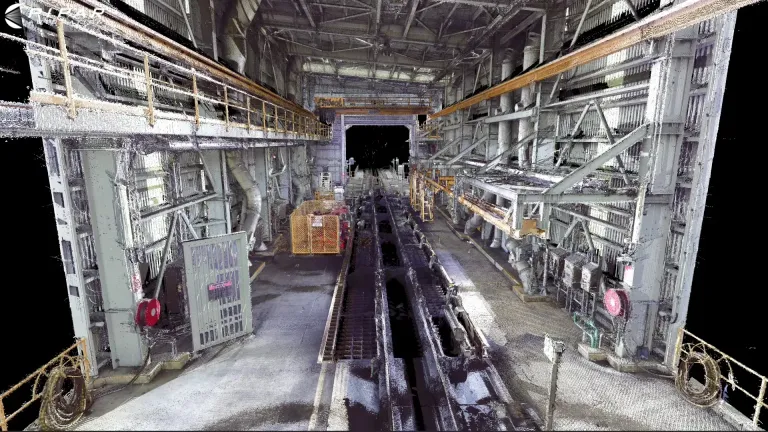
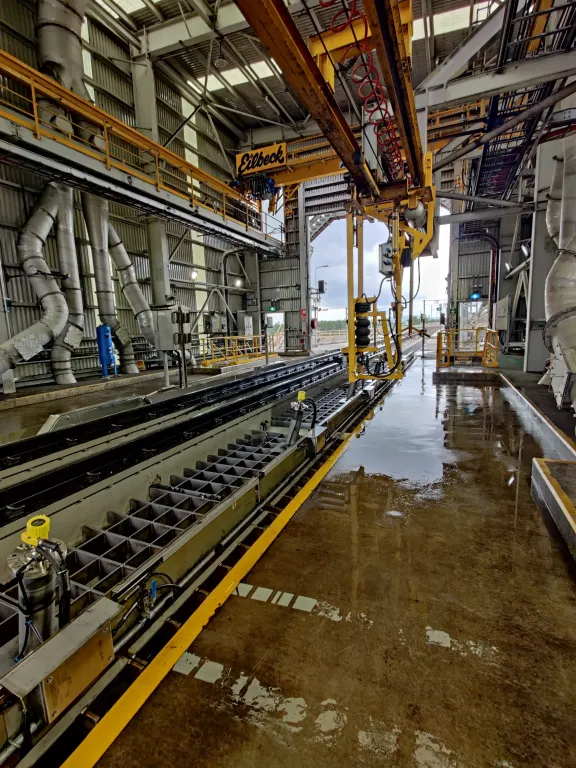
Wiggins Island Coal Export Terminal (WICET) had disparate systems all struggling to provide reliable train tracking and identification. Pipar automated the system from the ground up, installing cutting-edge 3D lidar sensors to create a single, unified source of train tracking and identification. The result: a fully autonomous system controlling triggers, feeders, and the wagon vibrator from one reliable data source, reducing delays and eliminating manual intervention.
The Challenge
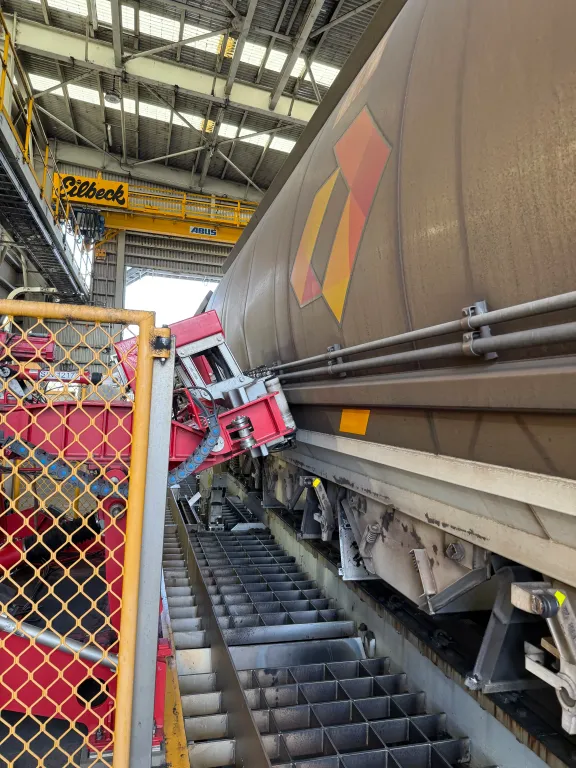
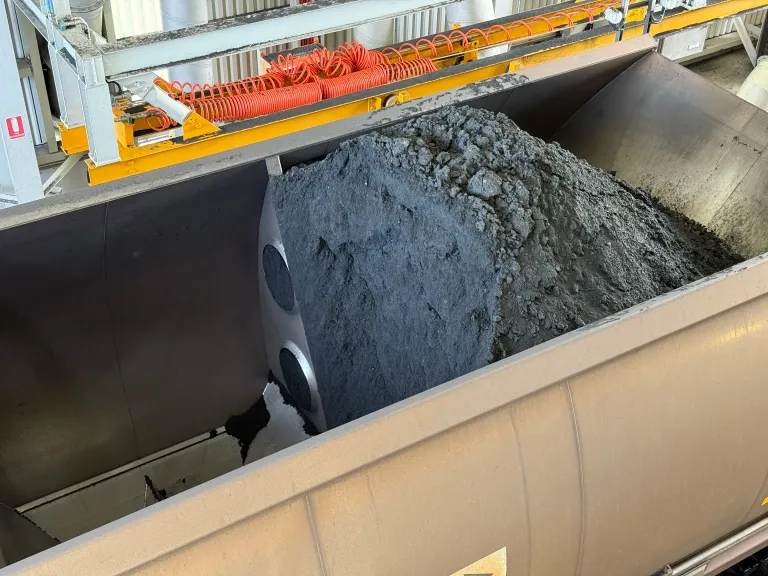
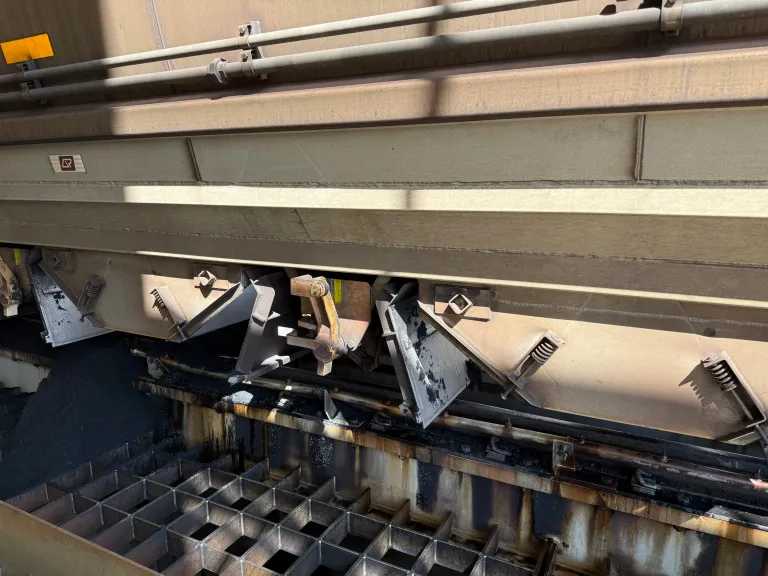
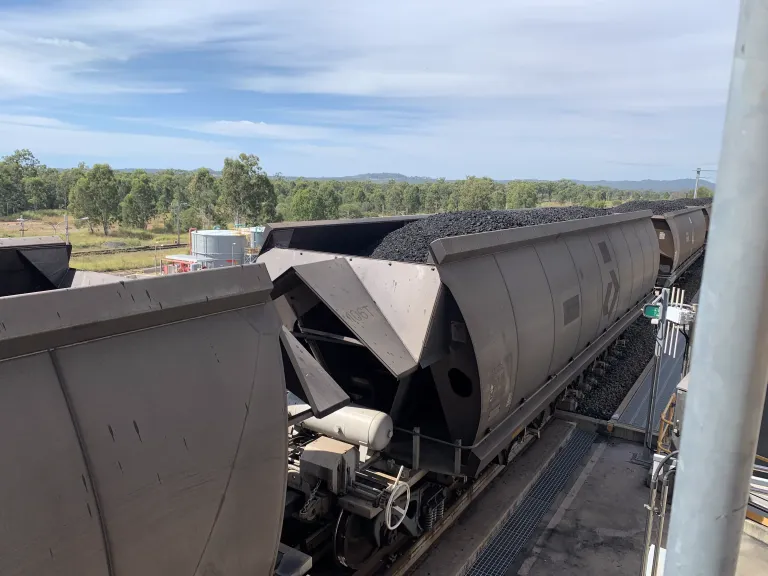
WICET's original dump station control system relied on track switches and radar to keep track of train speed and position, requiring frequent manual intervention due to errors and instrumentation issues. The wagon vibrator's control system independently tracked the train with complex and inflexible logic, and yet another separate legacy system detected remnant coal. Together, this resulted in coal failing to be discharged, causing train stoppages and reversals.
The Approach
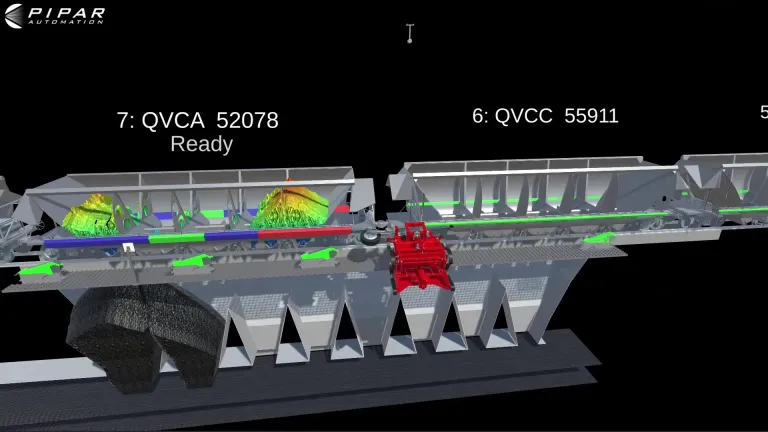
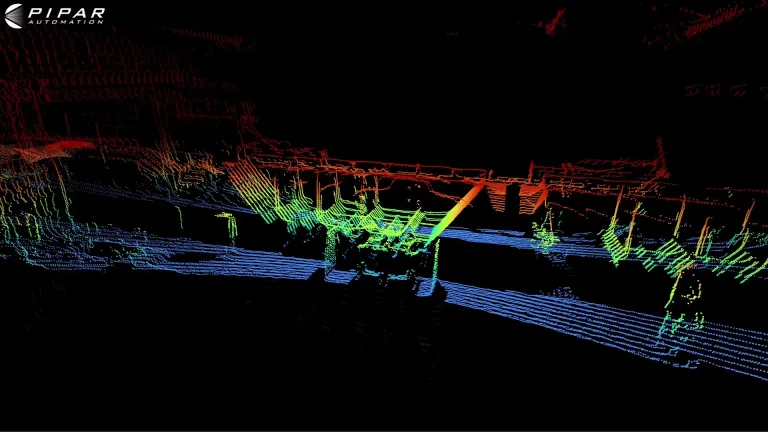
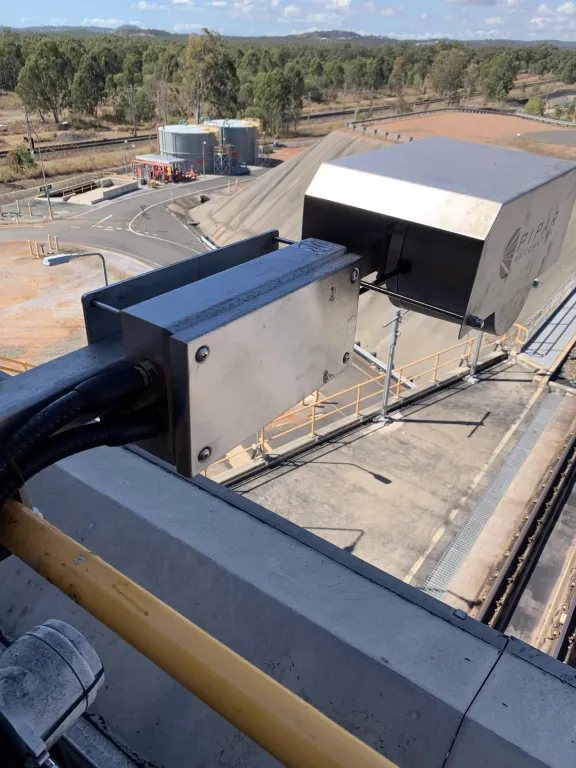
Pipar's approach was to replace all train tracking and hang-up detection control systems with a single system: Pipar's RailSight. Developed with over 10 years of train tracking experience at dump stations and train load-outs, RailSight integrates measurements from multiple sources including 3D lidars, track switches, and RFID readers, resulting in a robust and responsive source of rolling stock identification, position and speed.
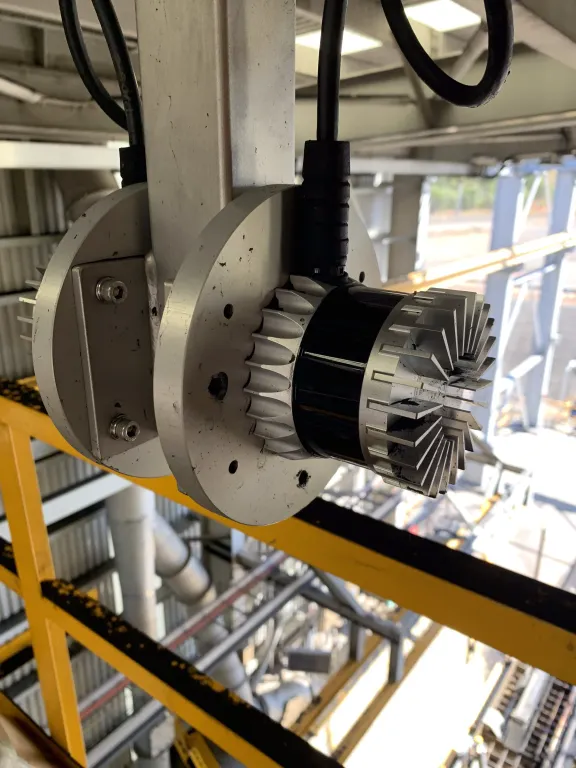
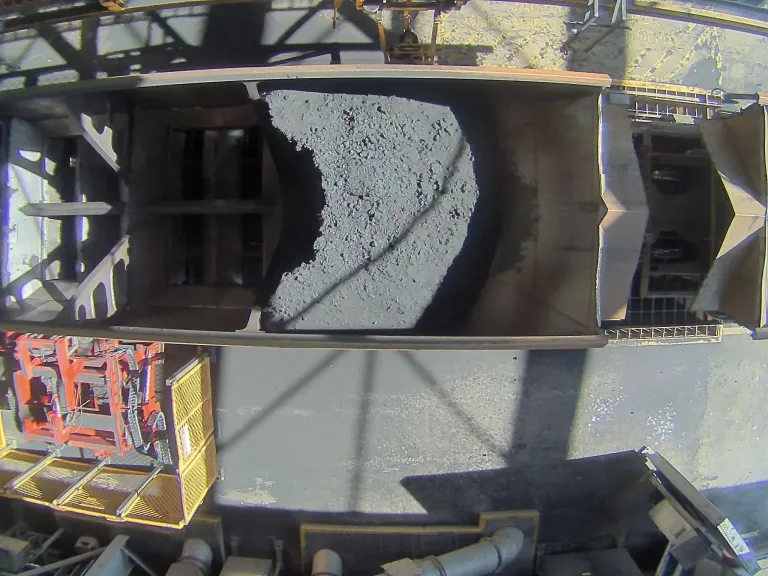
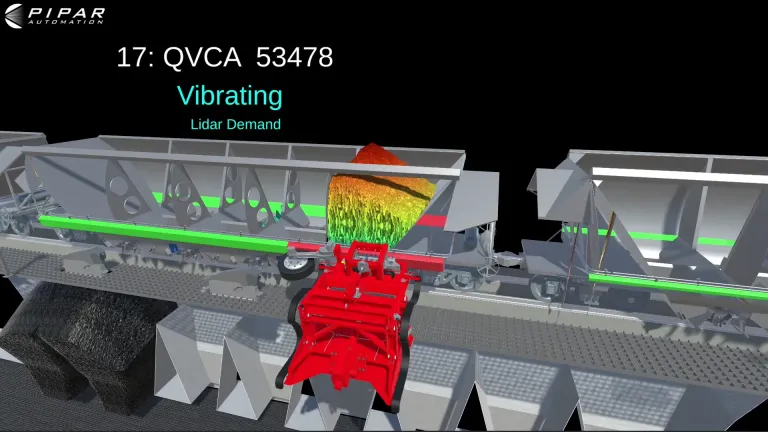
Ouster 3D LiDARs were installed to replace the existing 2D wagon vibrator lidars. These latest-generation lidars track the train, analyse the coal surface, and detect hang-ups and discharge failures faster than any other method. They also detect and alarm on asymmetric coal flow from one side of the wagon, the primary cause of unloading derailments.
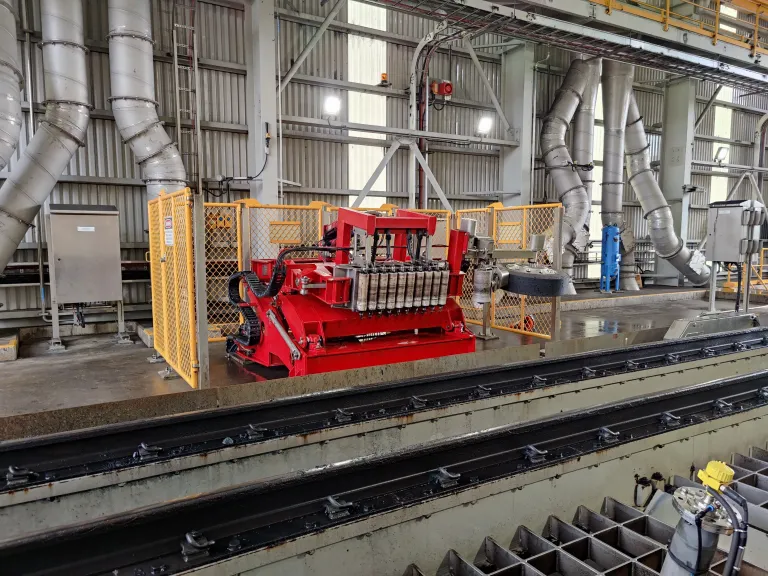
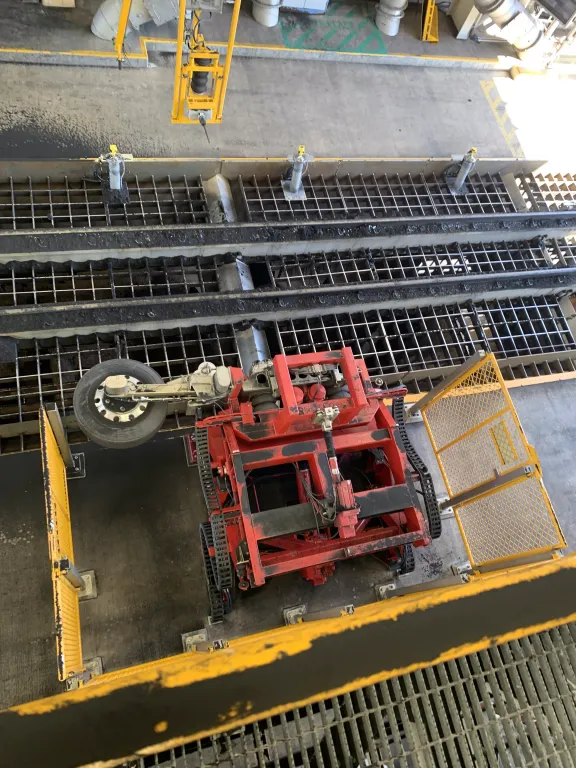
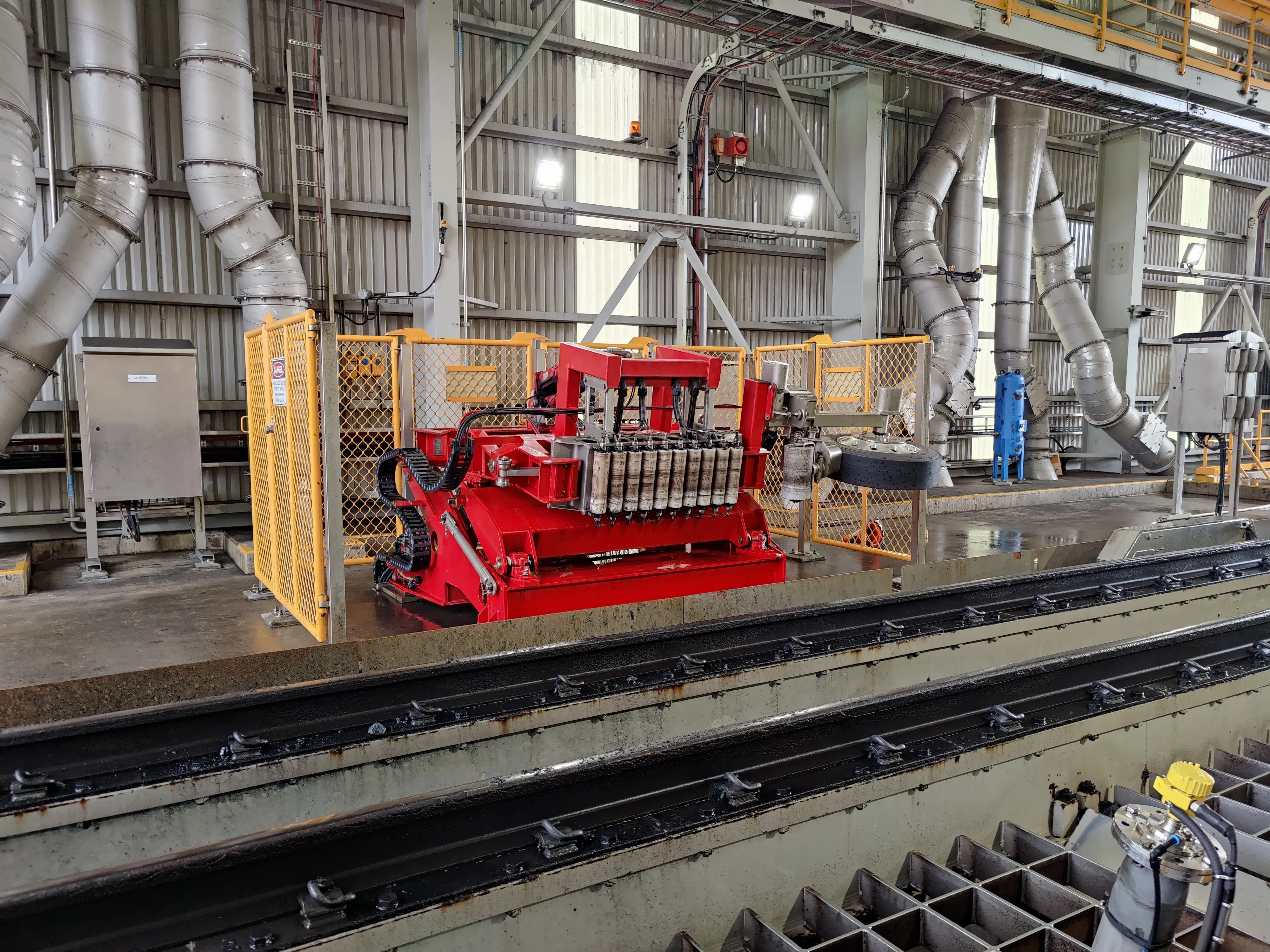
All tracking and identification information is transmitted to site PLCs for other dump station control systems to utilise and build from. Pipar also rewrote the wagon vibrator PLC code from scratch, eliminating missed wagons and allowing earlier landing for improved vibration performance.
The Outcome
RailSight resulted in a step-change in tracking performance reliability. Since installation, the system has not missed a beat, with manual intervention eliminated. Operators regained confidence in automatic hang-up detection and vibrator performance, and train reversals are no longer required.
Project Gallery