Automatic Tyre Monitoring System
Automatic Peace of Mind
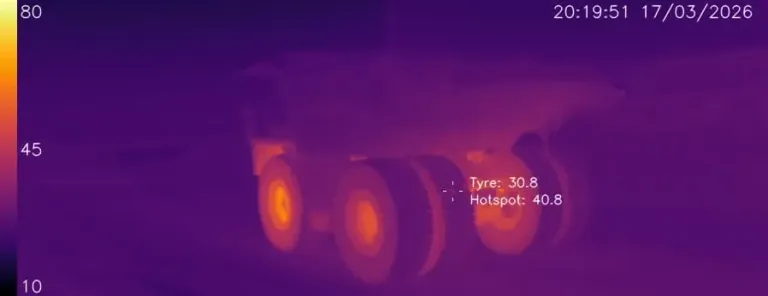
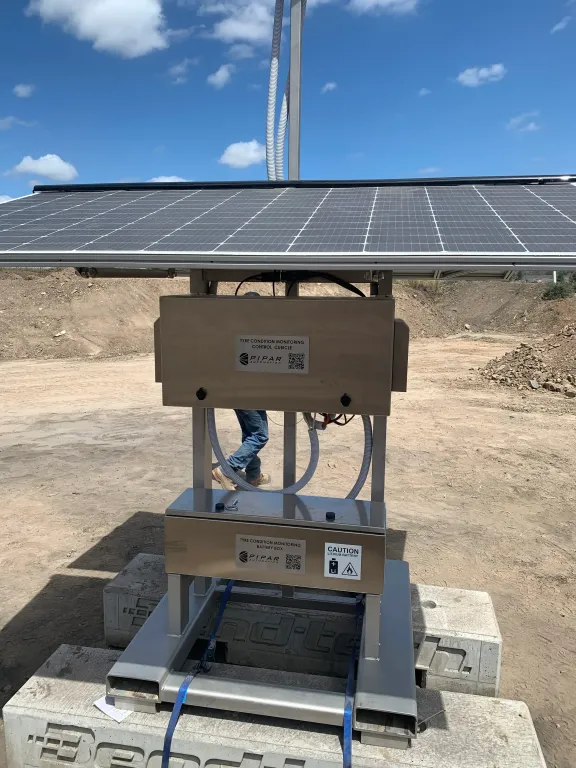
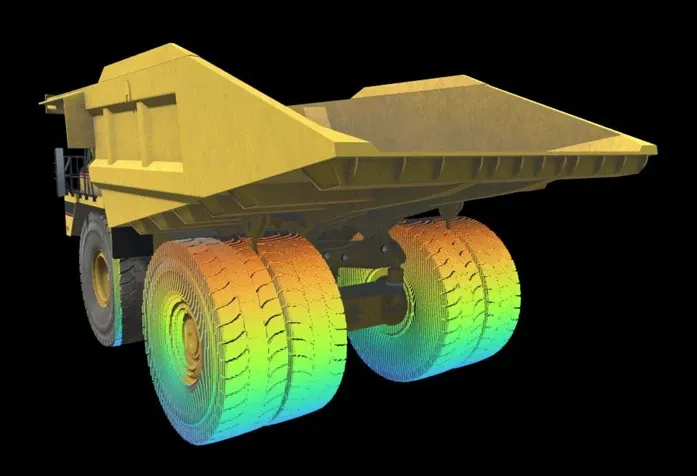
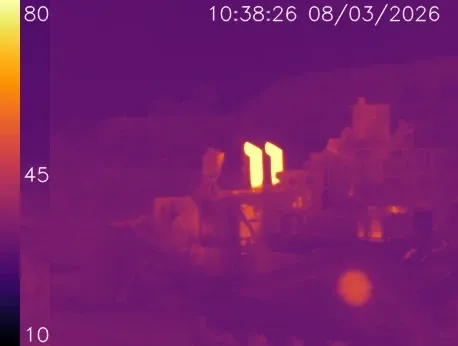
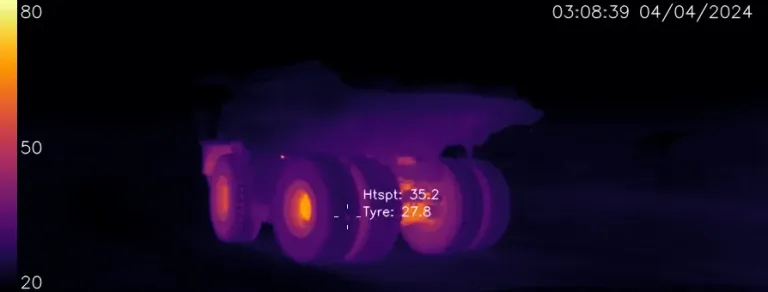
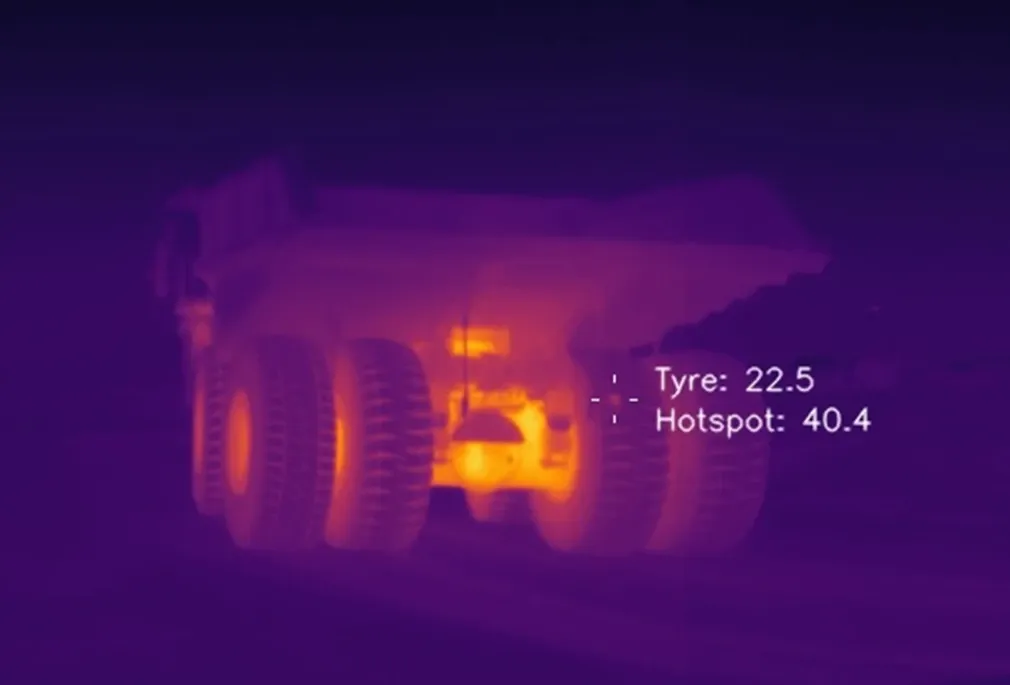
Pipar's tyre thermal monitoring system at Daunia mine uses dual Flir thermal cameras and custom image-processing algorithms to detect hot spots on the tyres of passing haul trucks. This provides an early indicator of cut separations that can lead to catastrophic tyre failure or spontaneous combustion at fuel depots. Deployed on a solar-powered, forklift-portable stand at the entrance to a fuel bay, the system automatically tracks each truck, analyses all four rear tyres in every pass, and alerts maintenance personnel with thermal imagery and hotspot data within seconds of detection.
Problem
Haul truck tyres at open-cut mines are prone to deep cuts from sharp rocks on haul roads. These cuts allow air to infiltrate the belt package, creating pockets that compress during rotation and progressively separate the tread, creating a failure mode known as a "cut separation." Left undetected, cut separations lead to premature tyre failure costing tens of thousands of dollars per tyre, and generate dangerous hot spots that have caused spontaneous combustion events at fuel depots. The mine needed a system that could catch these developing faults early, automatically and without relying on visual inspections by operators.
Approach
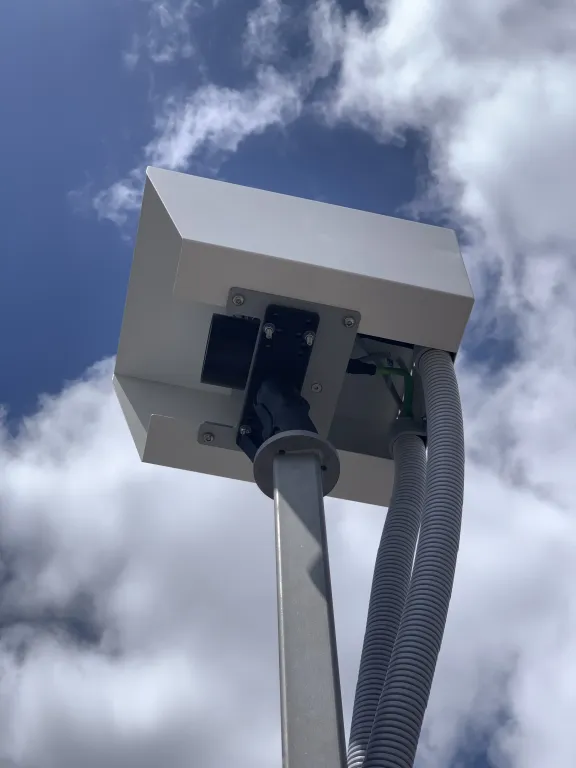
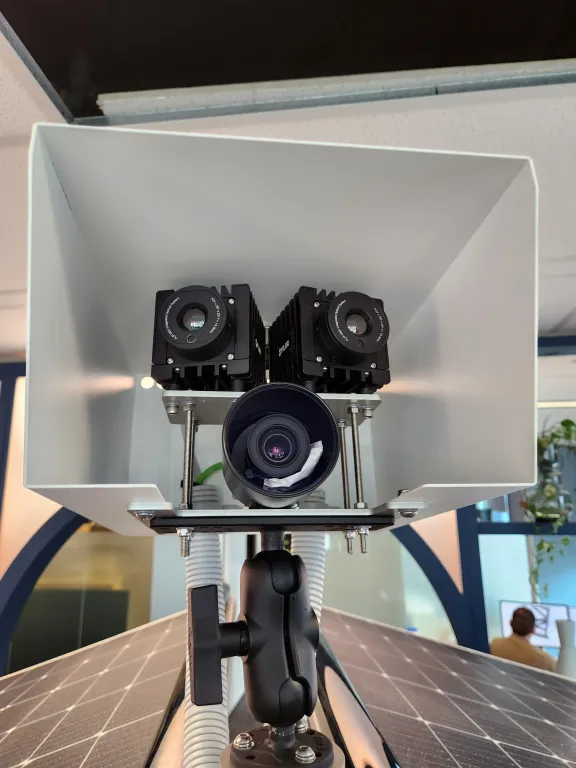
Pipar designed the system from scratch as a self-contained, portable monitoring station. Two industrial thermal cameras were selected for their outdoor-rated construction and sub-1 °C measurement precision, and mounted side-by-side with offset lenses to create a wide combined field of view. A visible-spectrum camera was added alongside for truck identification and visual reference. All sensors sit atop a telescoping stainless-steel pole with a self-levelling mount, housed under a protective shroud to manage the mine's pervasive dust.
The unit was built on a stainless-steel frame with integrated forklift pockets, making it fully relocatable. Solar panels fold down for transport and deploy at 15 degrees for charging two onboard batteries, giving the system complete energy independence. A finite element analysis confirmed the frame can withstand large wind gusts per AS1170.2 with a large safety margin against both structural failure and tipping.
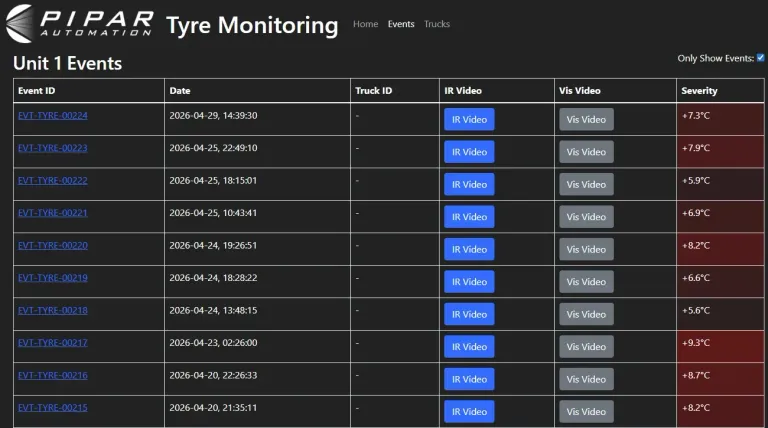
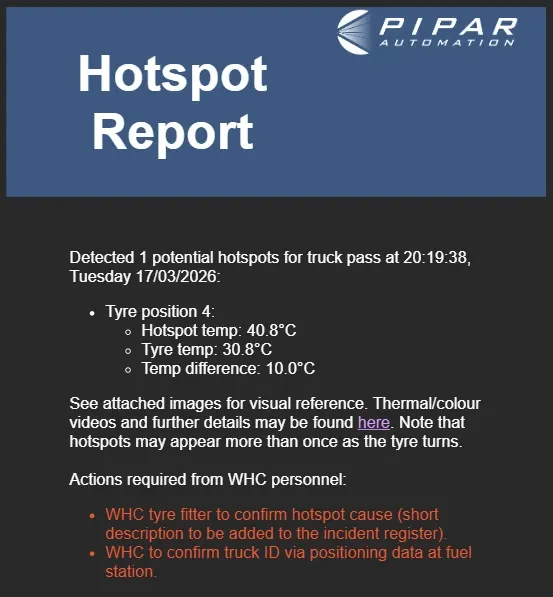
On the software side, Pipar developed custom image-processing algorithms that detect trucks as they pass, track individual wheels across the frame, and identify thermal anomalies on each tyre relative to its mean temperature. When a hotspot exceeds the agreed threshold, the system automatically generates an alert email containing annotated thermal imagery, hotspot statistics, and a link to the event on a purpose-built web portal. The portal maintains a full history of every truck pass and hotspot event, allowing maintenance teams to monitor damage progression on individual trucks over time.
Outcome
Since commissioning, the system has successfully identified multiple confirmed tyre separations, providing maintenance crews with the early warning needed to pull affected tyres before failure or fire risk. The fully solar-powered, relocatable design proved its value when the monitored fuel bay was decommissioned, when the unit was repositioned to a new fuel bay and returned to service without any hardware modifications. The system continues to operate autonomously, scanning every truck entering the fuel bay around the clock with no operator involvement.
Project Gallery